

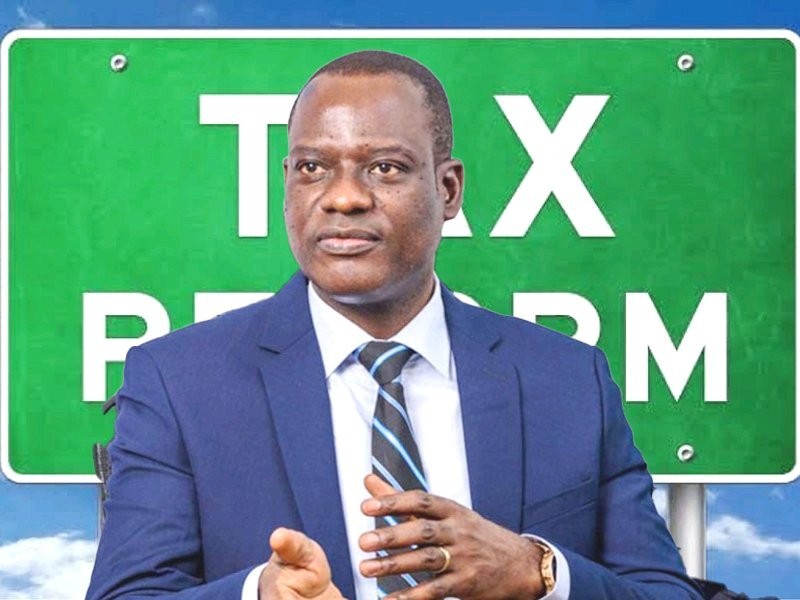
Tax Chief Debunks Fears: No Automatic Deductions, Bank Details Not Used for Tax
The head of Nigeria’s presidential tax reform committee has stepped forward to clear the air, stating bluntly that many of the fears circulating about new tax policies are based on wrong information.
Taiwo Oyedele, Chairman of the Presidential Committee on Fiscal Policy and Tax Reforms, said in a recent interview that two major concerns among Nigerians are unfounded. First, he said tax authorities do not use the descriptions on your bank transfers to calculate or deduct taxes. Second, he assured that there is no system in place to automatically take money from people’s bank accounts for taxes.
“With the resources we have, you go after the biggest returns. Would you look for one billionaire, or try to chase after one hundred million naira from many people?” Oyedele asked, explaining that it is standard practice for tax bodies worldwide to focus their efforts on high-income individuals and companies.
READ: In a Moment of Grief, Anthony Joshua Receives Remains of His Two Close Friends

He pointed to data suggesting that the overwhelming worry among the public might be misplaced. According to the figures he cited, about 98% of bank accounts in Nigeria hold less than ₦500,000. Most of these account holders, he noted, are not even in the income bracket being targeted by the proposed reforms, yet they have been some of the loudest voices against the changes—a reaction he said the committee did not fully anticipate.
Oyedele suggested that some of the anxiety is being stirred up by those who actually stand to pay more. He mentioned that some well-paid content creators, who can earn thousands of dollars monthly, are resisting the reforms. Instead of openly opposing taxes, he alleged, they spread stories that the government plans to deduct small amounts like ₦5,000 from ordinary accounts to rally public opinion against the changes.
“These claims are completely false,” Oyedele stated firmly. “No one is going to debit your bank account. It doesn’t matter if you send ₦1,000 or ₦1 billion, or what you write in the transaction note. That is not how tax works here.”
He clarified that Nigeria uses a self-assessment system. This means that at the end of the year, individuals and businesses are expected to declare their own income and calculate the tax they owe. “You know what your income is. You tell the government, ‘This is what I earned, and this is the tax on it’,” he explained.
He added that even people who are exempt from paying tax, like many low-income earners, still need to file a return to formally state their exempt status. A key goal of the reforms, he said, is to make this entire process simpler and less intimidating to encourage more people to do it correctly.
In closing, Oyedele said the aim of the reforms is to shield the most vulnerable Nigerians while ensuring those with greater financial means pay a fairer share. He acknowledged that the people who would benefit most from a fairer system often don’t have the loudest platforms to defend it.
Discover more from TOKTOK9JA MEDIA
Subscribe to get the latest posts sent to your email.