

Zimbabwe Moves To Tackle Explicit Content Creators Flashing TT For Monetization.
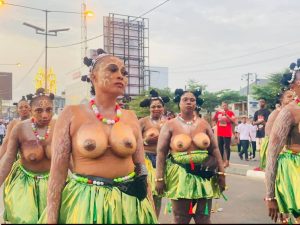
Zimbabwe’s broadcasting regulator has drawn a line in the sand, announcing a new push to stop online creators who make money by posting explicit material. The move puts a spotlight on the clash between global internet trends and local laws meant to protect public morality.
The Broadcasting Authority of Zimbabwe (BAZ) issued a statement this week saying it had noted with “serious concern” the spread of clearly adult digital content by some social media personalities. The agency said this kind of material is easily found by audiences inside the country, including children, and declared that all broadcasting—no matter the platform—must follow Zimbabwean law.
READ: Atopa Video of Nigerian TikTok influencer Ivana
While BAZ did not name specific individuals, its warning comes at a time when one creator, known online as Queen Nadia TV, has seen massive growth. Queen Nadia gained a huge following, reportedly in the millions, with content that frequently involved flashing her private parts. Analytics from her page suggested one post alone garnered around a billion views and millions of engagements over a 28-day period, showing the scale of her reach.
READ: “Final Stream”: IShowSpeed Ends Africa Tour With Relaxing Ghana Visit

“Broadcasters and content creators must therefore uphold public morality and national values as entrenched in the laws of Zimbabwe,” the BAZ statement read.
The regulator pointed to two main laws: the Broadcasting Services Act, which says children must be protected from material that could harm their development, and the Censorship and Entertainment Control Act, which bans the spread of what it calls indecent or obscene content.
BAZ warned it would take steps to make sure people follow the rules, saying it won’t allow digital platforms to be used to break the constitution or the country’s shared moral standards.
READ: Controversy Erupts After Influencer Shares “Easiest Women to Sleep With” List
In a twist, Queen Nadia responded to the growing talk about her content. On her page, she said the decision to remove some of her most explicit posts was her own, pushing back against the idea that she was forced by platforms or the government. However, in the very announcement video, she continued her signature style, leaving little doubt about the nature of her channel.
The situation shows the challenge regulators face. Creators like Queen Nadia use major global platforms to build audiences and earn money directly from views and engagement, operating in a space that is hard for any single country to control. BAZ’s statement is a clear attempt to assert local authority over this digital landscape.
It remains to be seen what “enforcement measures” the authority will take. Options could include pressing social media companies to take down accounts, seeking to block platforms within Zimbabwe, or even pursuing legal action against the creators themselves. For now, the statement has ignited a debate about decency, legality, and the limits of online expression in the country.
Discover more from TOKTOK9JA MEDIA
Subscribe to get the latest posts sent to your email.