


Marianne Bachmeier Got Sentenced to Six Years in Prison for Shooting Her Daughter’s Murderer in Open Court.
It was the third day of the trial, and the courtroom in Lübeck was filled with the usual tension of a murder case. But no one was prepared for what happened next.
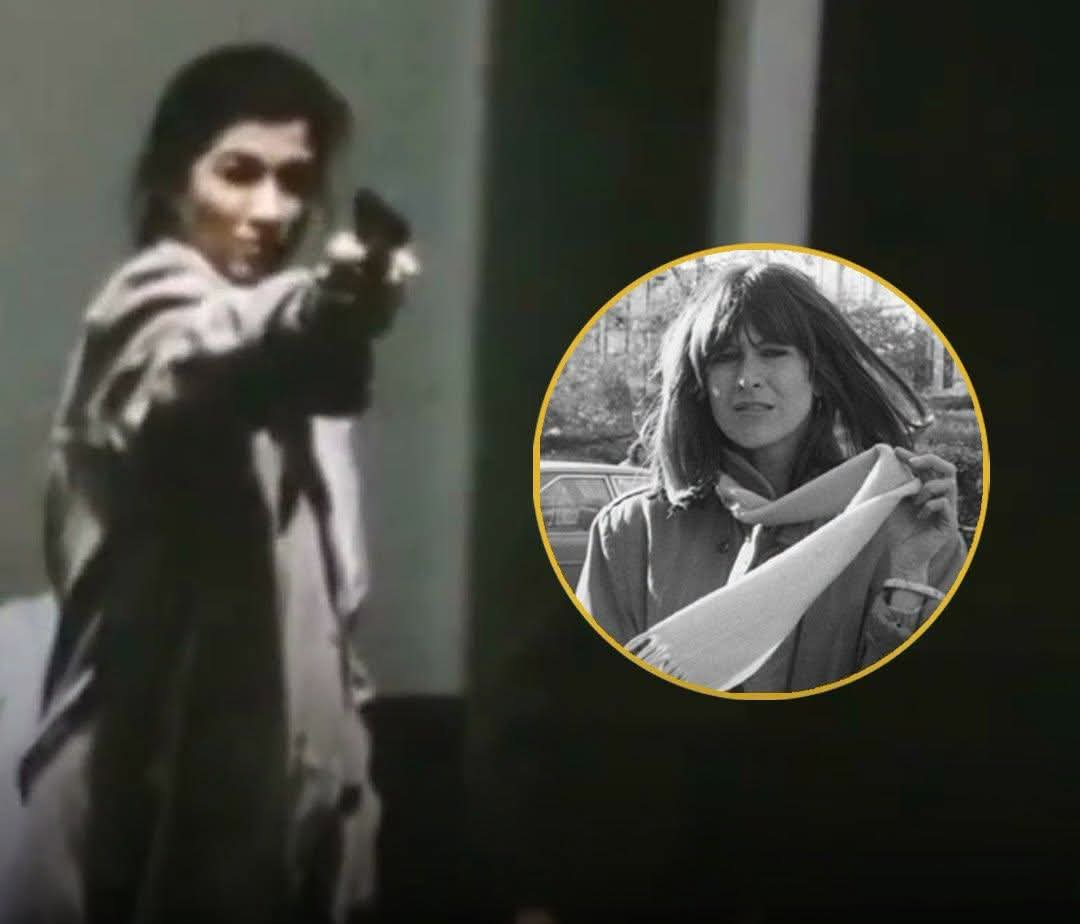
Marianne Bachmeier sat quietly in the public gallery. In her purse, tucked away from view, was a Beretta pistol. She had planned this moment for months. When the defendant, Klaus Grabowski, turned to face the courtroom, she rose from her seat, pulled out the weapon, and fired eight times.
Six of those bullets struck Grabowski in the back. He collapsed onto the courtroom floor and died right there, in front of the judges and lawyers.
The year was 1980. Less than a year earlier, Bachmeier’s seven-year-old daughter, Anna, had been lured into Grabowski’s home. He was a convicted sex offender who had previously been sterilized and served time for crimes against children. After killing Anna, he placed her body in a box and left it by a canal.
READ: The $2.7 Million Dog: Social Media Buzzes Over Viral ‘Man to Dog’ Transformation Claim

The trial was meant to bring justice for Anna. But for Marianne, the legal process was moving too slowly. It was too uncertain. She had made up her mind that the man who took her daughter’s life would not walk free.
Witnesses later said that after the shooting, Bachmeier looked down at Grabowski’s body and made a chilling remark. She reportedly said she had aimed for his face but shot him in the back, adding that she hoped he was dead.
She was immediately arrested and charged with murder.
The case divided Germany. In the eyes of the law, her actions were clear—she had walked into a courthouse with a loaded gun and killed an unarmed man. But to many people, she was not a criminal. She was a grieving mother who had simply done what they felt any parent might do in her situation. They saw her not as a killer, but as a woman pushed to the edge by an unbearable loss.
The legal proceedings that followed were closely watched by the public. Her lawyers argued that her emotional state had been fragile, and that she could not be held fully responsible for her actions. The court accepted this argument to a degree. In the end, she was not convicted of murder, but of the lesser charge of manslaughter.
READ: Man Declared Wanted After Disturbing Video Shows Him Giving Marijuana to Infant
Her sentence was six years in prison. She served three.
Throughout the trial and in the years that followed, Bachmeier never expressed remorse. She never apologized for taking Grabowski’s life. When asked about her actions, she was honest about her intentions. She believed she had done the right thing and said she would do it again if placed in the same position.
Her story became a symbol of a much larger debate. On one side were those who believed that no one had the right to take justice into their own hands, no matter the provocation. On the other side were those who felt that the system had failed Anna, and that Marianne had only done what a mother’s love compelled her to do.
The question of whether her actions were right or wrong never found a clear answer. But her story left a deep mark on the country’s memory.
Marianne Bachmeier passed away in 1996. She was buried next to her daughter Anna in a small cemetery in Lübeck. The two are now side by side, in a place where the chaos and anger of that courtroom cannot reach them.
READ: Xenophobia: Meet the Zulu Woman Behind South Africa’s Rising Anti-Migrant Protests
To this day, the case is remembered as one of the most extraordinary moments in German legal history. It was not just a story about a shooting. It was about grief, anger, and what happens when a person feels the system has left them with no other choice.
For Marianne, there was no peace in the courtroom. But she made sure that the man who took her daughter’s life would never hurt anyone else. And in her mind, that was all that mattered.
Discover more from TOKTOK9JA MEDIA
Subscribe to get the latest posts sent to your email.