


How to End Banditry in Nigeria: A Decentralized, Community-Based Security Model
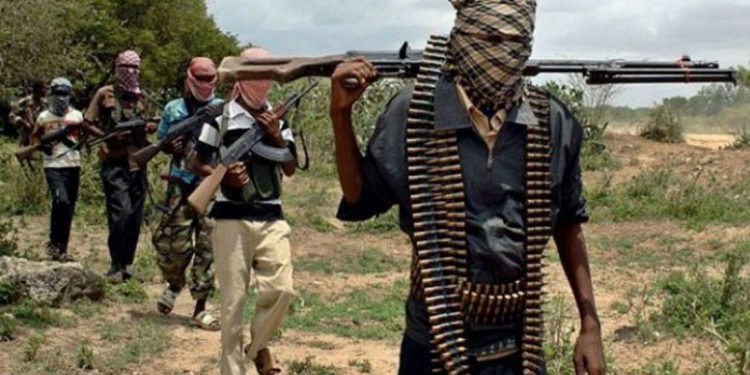
Banditry has lingered in Nigeria for too long because the current security approach is centralized, slow, and disconnected from rural realities. To achieve “game over” for banditry, Nigeria must decentralize defense, empower local communities, and adopt aggressive, sector-based operations. The solution is not more committees in Abuja. It is armed, indigenous units in every village.
THE 6 SECTOR INDIGENOUS GUERILLA MODEL
STRUCTURE:6 COMMANDS PER STATE:
Each state should be divided into 6 security sectors based on geography and bandit activity. Every sector will have a permanent command unit of at least 500 well-armed fighters recruited indigenously from rural communities within that sector.
RECRUITMENT AGE:22 TO 30 YEARS.
Why indigenous? Local fighters know the terrain, the language, the footpaths, and can identify outsiders instantly. Outsiders cannot hide.
DEPLOYMENT :
Trained in Batches, Camp Inside Rural Communities
Fighters must be properly trained before deployment. Training should be done in batches to maintain quality and readiness. After training, units will camp inside rural communities where attacks happen, not in state capitals. Their presence alone deters bandits. When bandits move, response time will be minutes, not hours.
EQUIPMENT, MOBILITY, FIREPOWER AND EYES IN THEY SKY
To match and defeat bandit mobility, each sector must be properly armed with:
- Assault Rifles:: M4, AK47 for standard combat units
- Sniper Rifles for designated marksmen to eliminate targets at distance
- Motorcycles for fast movement through bush paths
- Buffalo trucks/Armored vehicles for convoy protection and heavy response
- Drone Centers in the Capital City to provide real-time surveillance, track movement, and direct sector units to bandit camps
Bulletproof Vest: Compulsory for every fighters. No fighter enters the bush under-armed or unprotected.

COMMAND: DECENTRALIZED COMMAND STRUCTURE.
A centralized command structure fails in asymmetric warfare. Each sector commander must have operational autonomy. The mandate is simple and direct: “Seek and destroy all camps in your sector.” No bureaucracy, no waiting for approval from Abuja when attacks are ongoing.
READ: Did Heavily Armed Bandits Hand Over General Rabe’s Body in Katsina?
SALARY, WELFARE & POST SERVICE PLAN
Professional Force, Professional Treatment
Morale sustains war. Fighters must be treated as professionals from day one.
MINIMUM WAGE
₦200,000 per month, paid directly to each fighter. This reflects the risk of combat duty and makes the job attractive to youths
HOUSING AND & FEEDING
Free accommodation in sector camps plus daily feeding support
.
HEALTHCARE
Full medical cover for the fighter,s and 2 dependents, including treatment for injuries sustained on duty.
LEAVE
Leave passes ,once every quarter to return home to families. This reduces burnout and builds loyalty to the communities they protect.
LIFE INSURANCE
Life insurance cover for families of fighters killed in action.
EQUIPMENT
Proper arms, (M4,AK 47, STARLIGHT SNIPER ) Body armor, and communication radios.
BULLETPROOF vest is compulsory for all personnel
SERVICE DURATION
6 Years Maximum Service After 6 years, fighters will be honorably disengaged and a new set of trained youths aged 22-28 will take over.
POST-RETIREMENT TRAINING & CAPITAL:
Every disengaged fighter will enter compulsory skill acquisition training for one year in trades like welding, solar installation, agro-processing, motorcycle repair, ICT, and others. Training centers will be established in each state capital. After training, each ex-fighter will receive ₦2.5 million lump sum as business capital to start a valuable enterprise. This ensures loyalty while in service and creates healthy competition to join the Corps.
READ: Why No One Can Leak Tinubu’s Calls or Voice Notes – A Look at Presidential Security Architecture
ALUMNI NETWORK & MONITORING
All disengaged fighters will be registered in a State Security Alumni. The alumni will provide mentorship, access to support for business, and can be called upon for reserve duty or community security advisory when needed. This turns service into a career launchpad, not a dead end.
FUNDING MODEL
This model will be funded through a partnership approach:
- Governors’ Security Votes: 70% – Redirect security vote to build and sustain the sector units in each state.
- Federal Government: 30% – Support with standardized training, drone technology, and oversight.
NATIONAL POLICY SUPPORT – TWO PILLARS
FIRST: ADOPT THE 6-SECTOR MODEL NATIONWIDE
State Governors in affected states must replicate the 6-sector structure. Federal coordination should support funding, training, and drone technology.
SECOND: BAN OPEN GRAZING:Build Government Ranches
Opening grazing must be banned Nationwide.it is they root cause cause of HERDERS-FARMERS conflict and also provides cover for movement of arms across states..
Each ranch must have the required infrastructure to make it viable and peaceful:
SCHOOLS
VETERINARY CENTERS
SKILL ACQUISITION CENTERS
HEALTH CENTERS
MARKET SQUARE
SECURITY
using the same Security-sector model discussed earlier to protect ranches and surrounding communities
This replaces conflict with development. Ranching with infrastructure removes the cause of clashes, settles herders, and turns grazing routes into economic zones. It solves the problem caused by open grazing permanently
THE ENDGAME
Banditry thrives on three things: space, time, and anonymity. This model removes all three. With 500 properly trained, well-armed, and motivated locals per sector camping in villages, bandits lose space. With motorcycles, M4/AK47, sniper rifles and drones, they lose time. With indigenous fighters and a strong alumni network, they lose anonymity.
THIS POLICY IS DIRECT: Secure the rural areas first, settle the grazing conflict with ranches. When rural Nigeria is safe and its youths are empowered, Nigeria is safe.
by TOKURAH MJ. layman, public analyst, strategic thinker and student of peaceful coexistence..
How to End Banditry in Nigeria: A Decentralized, Community-Based Security Model.
Discover more from TOKTOK9JA MEDIA
Subscribe to get the latest posts sent to your email.