


He Killed His Mother, His Siblings, His Aunt and Uncle: The Joliet Massacre That Took Eight Lives.
A 23-year-old killed seven family members across two homes before taking a stranger’s life and fleeing more than 1,000 miles. He died by suicide as authorities closed in.
The calls started coming in on the morning of January 21, 2024. By the time police in Joliet, Illinois pieced together what had happened, they were standing inside two homes, faced with a scene they described as one of the worst they had ever encountered.
Seven members of the same family were dead. A 28-year-old man who had no connection to them was also killed. And the person responsible—23-year-old Romeo Nance—was already more than 1,000 miles away, driving toward Texas.
What followed was a manhunt that ended with Nance cornered by U.S. Marshals. He never made it to a courtroom.
The family members Nance killed were not distant relatives he rarely saw. They were people he lived among, shared meals with, and passed by every day.
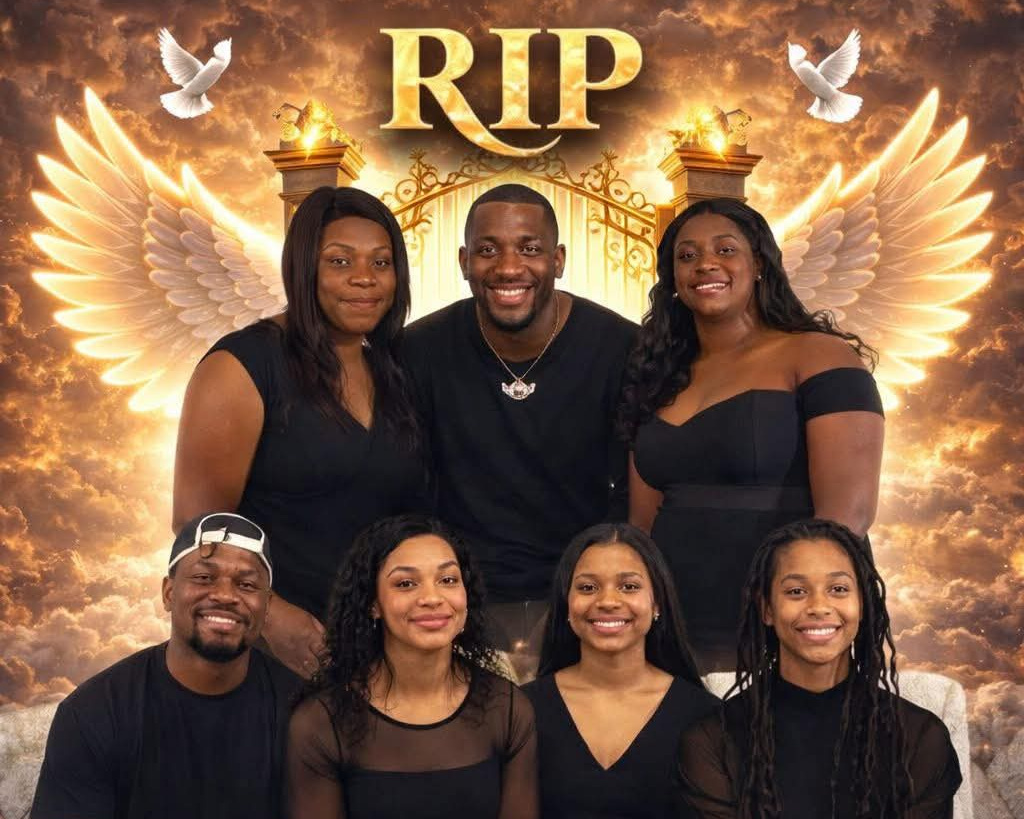
His mother, 47-year-old Tameaka Nance, was found dead in one of the two homes. So was his brother, 31-year-old Joshua Nance. His sister, 20-year-old Alexandria Nance, was also among the victims. His younger sisters, 14-year-old Angel Nance and 16-year-old Alonnah Nance, had their lives cut short as well.

In the second home, authorities found his aunt, 37-year-old Christine Esters, and her husband, 35-year-old William Esters II.
The killings were not the result of a single burst of violence in one location. Nance moved between the two properties, systematically ending the lives of his family members. Police later described the attacks as methodical.
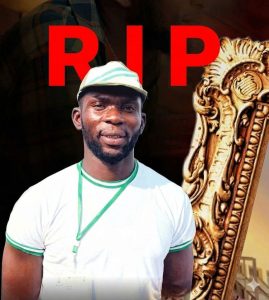
After leaving the two homes, Nance encountered 28-year-old Toyosi Bakare, a man who had no connection to the family. Authorities believe the shooting was random. Bakare became the eighth person to lose his life in the span of hours.
In the days following the massacre, investigators searched for a motive. Neighbors and acquaintances described Nance as someone who kept to himself, but few pointed to anything that suggested he was capable of what unfolded on January 21.
There had been prior encounters with law enforcement. Records showed Nance had been arrested months earlier on aggravated assault charges. He had also been accused of shooting at someone in December 2023, though no one was injured in that incident. Court documents revealed he was awaiting trial on those charges when the killings took place.
But even with that history, those who knew the family said nothing prepared them for the scale of the violence. There was no manifesto left behind. No clear explanation for why he turned on his own mother, his siblings, his aunt and uncle.
One relative, speaking to reporters in the aftermath, said the family was in shock. “We are trying to figure out what happened,” she said. “We are trying to figure out why.”
After the killings, Nance got into a vehicle and drove. Authorities later tracked his route across state lines, covering more than 1,000 miles before he reached Texas.
U.S. Marshals located him on January 22, the day after the massacre. When they moved in to make an arrest, Nance died by suicide. He never explained why he did what he did. He never faced a jury.
For the families of the victims, that meant no trial, no testimony, no answers in a courtroom. The question of motive remains unresolved, leaving a void that investigators say they may never be able to fill.
By the numbers, the Joliet massacre was the deadliest mass killing in the United States in 2024. Eight people died—seven of them from the same family, all killed by someone they knew.
READ: Father sentenced to 92 years for death of infant son placed in sealed bucket
Mass killings, defined as incidents where four or more people are killed, have become a recurring tragedy across the country. But cases where a young man kills nearly his entire immediate family stand apart, forcing neighbors and community members to confront something they struggle to understand.
Local officials at the time called the scene “devastating” and expressed frustration that someone with a pending assault charge was able to carry out such violence while awaiting trial. Others pointed to the broader issue of how warning signs are often noticed only after it is too late.
In the weeks after the killings, people who lived near the Nance family shared small details that now seem more troubling in retrospect. Some recalled seeing Nance acting strangely in the months before. Others mentioned the December shooting incident that did not result in anyone being hurt.
But there was no single moment where someone stepped in and stopped what was coming. No call to authorities that led to a hold or intervention that might have prevented January 21.
One neighbor put it simply: “You look back now, and you see things. But at the time, you don’t know what you’re seeing.”
The Esters family lost seven people in one day. The ripple effects have spread through extended family, friends, and a community that watched the news unfold in real time.
Funerals were held for multiple family members at once. The youngest victims—14 and 16—were buried alongside their mother, their brother, their sister, their aunt and uncle.
For those left behind, the pain is not just in the loss but in the unanswered questions. Why did he do it? Could anyone have seen it coming? Could anything have stopped it?
Those questions have no easy answers. But for the families, the silence left by the man who pulled the trigger means they may never get closure.
Discover more from TOKTOK9JA MEDIA
Subscribe to get the latest posts sent to your email.