


Portugal Passes Law Banning Burqa and Full-Face Coverings in Public.
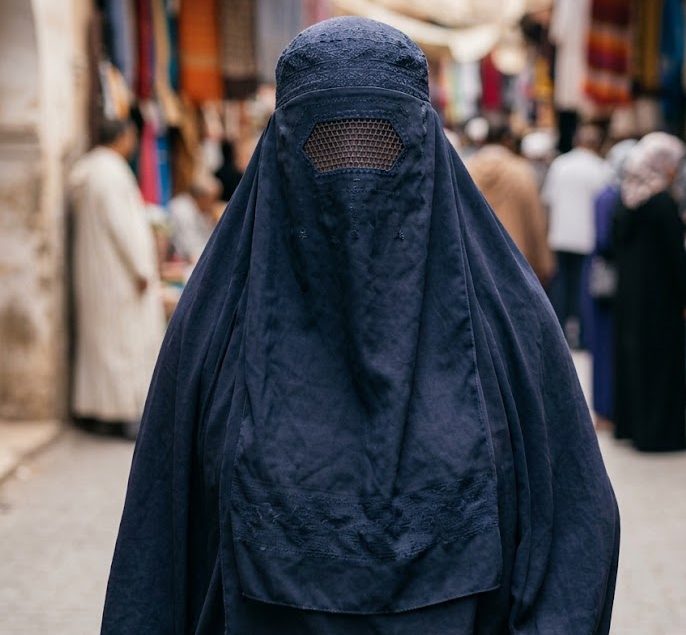
President Antonio Jose Seguro has signed into law a ban on wearing garments that conceal the face in public spaces, a measure widely seen as targeting the burqa and niqab worn by some Muslim women. The law imposes fines of up to €3,000 and prison sentences for those who force others to cover their faces.
Portugal has become the latest European country to prohibit full-face coverings in public spaces, after President Antonio Jose Seguro signed the controversial legislation into law this week. The measure, which was passed by parliament in July with support from the right-wing governing coalition and the far-right Chega party, makes it illegal to wear garments designed to hide the face or prevent identification in public areas.
READ: Remembering Shahbaz Bhatti: The Minister Who Was Killed for His Christian Faith in 2011
The president, in a statement explaining his decision, said the face must be considered “a central element of human identity and communication”. However, he acknowledged that the issue carries “great social and cultural sensitivity”.
Fines and Penalties
Under the new law, violators face fines ranging from €150 to €3,000, depending on whether the offence is deemed negligent or intentional. Anyone found to be forcing another person to cover their face on grounds of gender, religion, or origin could face up to three years in prison.
The legislation includes exemptions for health reasons, professional and artistic purposes, and weather-related needs. It does not apply inside places of worship, diplomatic premises, or on airplanes.

READ: US Judge Overturns Visa Ban Affecting 26 African Countries
Portugal’s move comes as several European countries have already implemented similar restrictions. France became the first European nation to ban full-face coverings in public in 2011, followed by Belgium the same year. Other countries with full or partial bans include Austria, Denmark, the Netherlands, Bulgaria, and Luxembourg, as well as nations outside Europe like Canada, Switzerland, and Turkey.
Supporters of the law have argued that it promotes public safety and protects women from being forced to cover their faces against their will. The party that proposed the legislation said they were protecting women and preventing future generations from being compelled to wear such garments.
READ: Trump Turns Tables on Iran, Demands Compensation for U.S. Casualties and Iranian Protesters
However, rights groups have raised concerns. Amnesty International Portugal called the law “discriminatory” and a “direct threat” to Muslim women’s rights to freedom of expression and religion. The group warned that women who choose to cover their faces could face greater exclusion from public life and difficulties accessing education, employment, and public services.
The debate over face coverings continues to divide opinion across Europe, with some countries adopting blanket bans while others restrict the practice only in specific institutions such as schools and hospitals.
Discover more from TOKTOK9JA MEDIA
Subscribe to get the latest posts sent to your email.